 Image 1 of 1
L1 - AQA GCSE Sociology Research Methods: The research process – Research design, aims, hypotheses and pilot studies
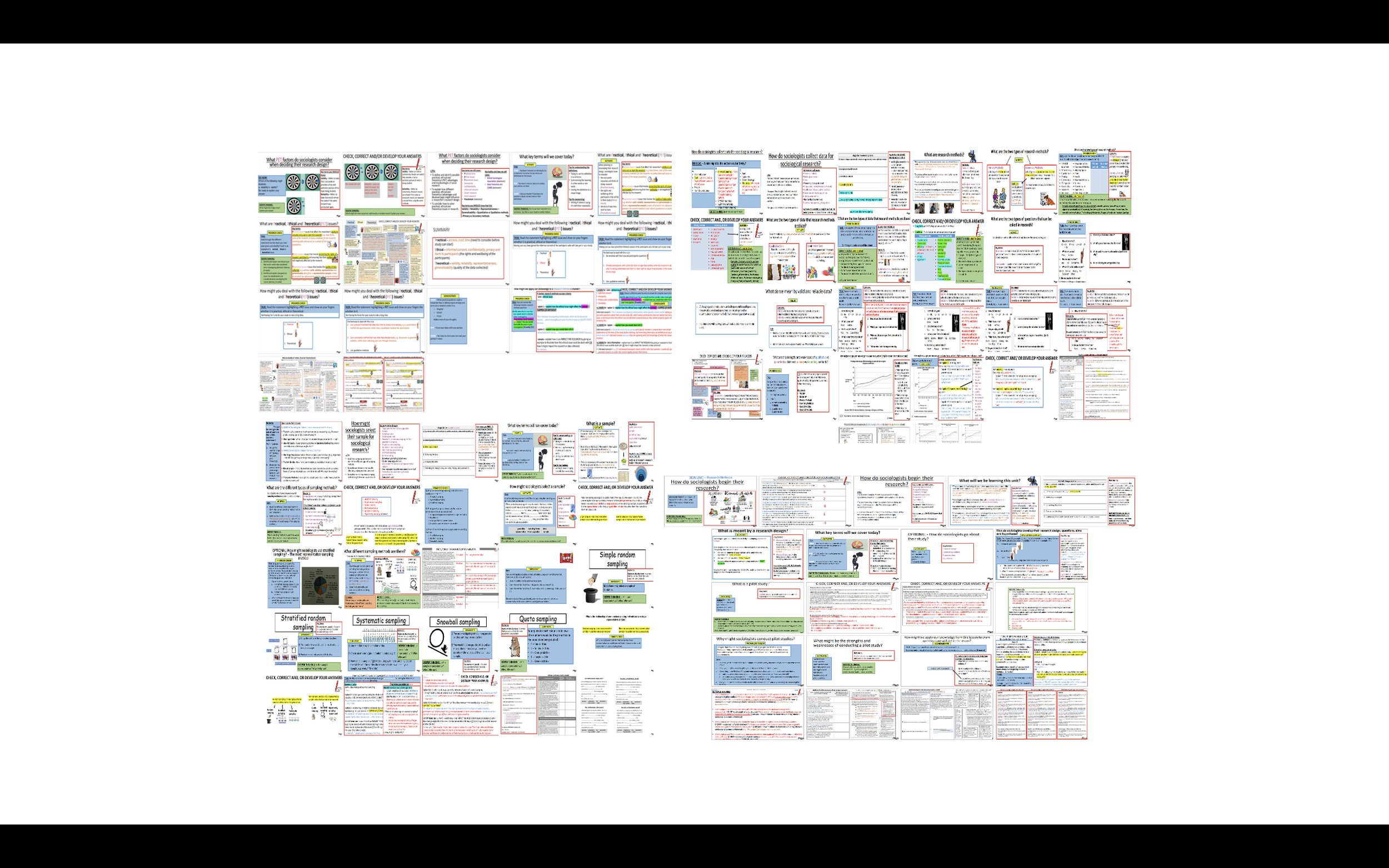
•Detailed lesson with lots of scaffolding based on adaptive teaching that helps students describe what is meant by a research design, hypothesis, research questions, aims and a pilot study, explain how sociologists begin their research (the first two stages of the research process) and assess the usefulness of these stages.
•Covers the following key terms: Sociological research, Research process, Research design, Research questions, Research aims, Hypothesis, A pilot study, Response rate (extension), Participants (extension)
•Makes references to the following key terms students might know: Social processes – Domestic violence
•DO NOW starter: ranking the stages of the research process
•Includes a teaching to all activity
•Hands-on activity where students draft and pilot their own survey
•Covers the following pilot studies of pilot studies and research design: O'Reilly (Costa del Sol) and Zebiri (British Muslim converts)
•Includes 2 marker linking pilot studies to domestic violence detailed scaffolding and student friendly markscheme.
•INCLUDES KEY TERM SHEET WITH DEFINITIONS FOR THE LESSON
•ANSWERS TO SOME ACTIVITIES
•RESOURCES CAN BE FOUND AT THE END OF PPT
L2 - AQA GCSE Sociology - Research Methods: How might sociologist select their sample?
•Detailed lesson with lots of scaffolding based on adaptive teaching that helps students define a sampling method and identify the different types of sampling methods, explain and demonstrate how the different sampling methods are used, and explain the consequences sampling methods might have on social research.
•Covers the following key terms: Target population/Wider population, Sample, Sampling frame, Sampling method, Probability (or random sampling) vs Non-probability sampling, Simple random sampling, Systematic random sampling, Stratified random sampling, Snowball sampling, Quota sampling, Representative vs unrepresentative sample, Generalise/Generalisability. Opportunity sampling (extension), Cluster sampling (extension), Over-represent/Under-represent (extension), Data (extension)
•Makes reference to the following key terms students might know to promote a spiral curriculum: Sociological research – Research design – Research process – [Social] processes – Stages in the research process – Aims – Hypotheses – Pilot study
•Includes a Do Now retrieval activity recapping the research process from last lesson
•Includes a Think-Pair-Share key terms activity
•Includes a hands-on Skittles demonstration where students practise each sampling method
•INCLUDES A 4 MARKER WITH SUCCESS CRITERIA AND A MODEL ANSWER
•ANSWERS TO MOST ACTIVITIES INCLUDED
•INCLUDES KEY TERM SHEET WITH DEFINITIONS FOR THE LESSON
•RESOURCES CAN BE FOUND AT THE END OF THE PPT
L3 -AQA GCSE Sociology Research Methods: Primary vs secondary methods & quantitative vs qualitative data
•Detailed lesson with lots of scaffolding based on adaptive teaching that helps students identify the difference between primary and secondary methods, quantitative and qualitative data and open and closed questions, and explain their strengths and weaknesses.
•Covers the following key terms: Research methods, Sociological research, Data, Primary methods, Secondary methods, Qualitative data, Quantitative data, Closed question, Open question, Validity, Reliability, Mixed method approach, Triangulation, Research process (extension) and Standardisation (extension)
•Makes reference to the following key terms students might know to promote a spiral curriculum: [Social] process – Sampling methods (snowball, stratified, systematic, simple random) – Pilot study – Aims – Hypothesis – Research design – Ethical vs practical issues (informed consent, privacy, harm to participants, cost)
•Starter (Do Now) activity recaps sampling methods, the research process and ethical and practical issues.
•Students apply their knowledge to an 2-marker using success criteria
•Teaching to all activity included
INCLUDES KEY TERM SHEET WITH DEFINITIONS FOR THE LESSON
•ANSWERS TO ALL ACTIVITIES INCLUDED
•RESOURCES CAN BE FOUND AT THE END OF PPT
L4 - AQA GCSE Sociology Research Methods: Research design – Practical, Ethical and Theoretical (PET) issues
•Detailed lesson with lots of scaffolding based on adaptive teaching that helps students define and identify the practical, ethical and theoretical (PET) advantages and disadvantages of social research, explain how PET issues might influence a researcher’s research design and analyse the impact this might have.
•Covers the following key terms: Practical issues, Ethical issues, Theoretical issues, Anonymity, Confidentiality, Informed consent, Covert vs overt research, Pseudonym (extension)
•Makes reference to the following key terms students might know to promote a spiral curriculum: Validity – Reliability – Representativeness – Generalisability – Quantitative vs Qualitative methods –Primary vs Secondary methods - Mixed method approach and Findings (of research)
•Covers the following key bodies, laws: British Sociological Association (extension), Data Protection Act (1998) (extension)
•Starter activity recaps validity and reliability.
•INCLUDES A 4 MARKER research methods question (2022) with success criteria, sentence starters and a model answer mark scheme.
•ANSWERS TO MAIN ACTIVITIES INCLUDED
•INCLUDES KEY TERM SHEET WITH DEFINITIONS FOR THE LESSON
•RESOURCES CAN BE FOUND AT THE END OF PPT